
Choosing and managing a Streaming Service requires more than comparing channel lists or installing an app. A practical assessment should cover viewing needs, account controls, device compatibility, network capacity, security habits, and a clear method for resolving playback issues. This approach helps households make decisions based on their own setup rather than assumptions.
Before subscribing, renewing, or changing configurations, document what you expect from the service. Consider the devices used at home, the rooms where people watch, the type of content they prefer, and whether several viewers may use the connection at once. For a starting point, review detalles sobre la plataforma de streaming ReflexSat IPTV alongside your own requirements, then keep a written checklist of questions that matter to your household. Pour approfondir le sujet, consultez également notre dossier sur Meilleur IPTV au Maroc.
A structured process is especially useful in 2026 because streaming setups are often shared across televisions, mobile devices, media players, and home networks. The goal is not to create a complicated technical project. It is to establish a repeatable routine: assess the starting point, test carefully, secure access, monitor the experience, and revise the setup when devices or household needs change.
Start With a Clear Streaming Service Assessment
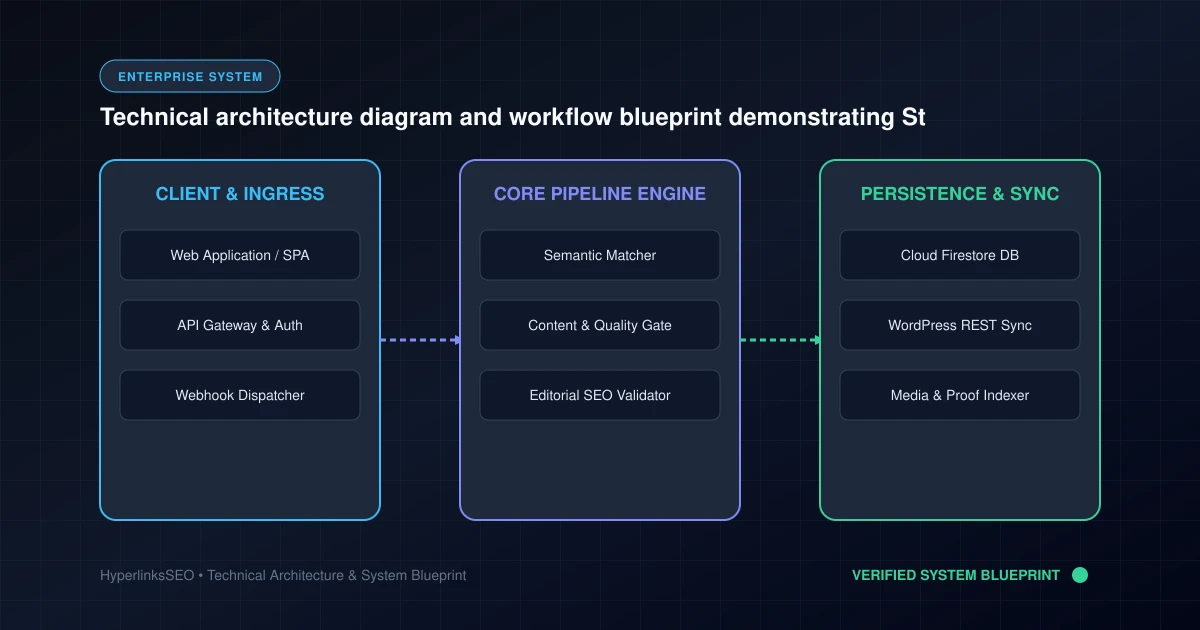
Begin by defining the outcome you want. A useful plan separates essential requirements from optional preferences. Essential requirements may include reliable playback on a primary screen, account access for authorized users, and compatibility with the devices you already own. Preferences may include interface layout, viewing flexibility, or additional screens. Pour approfondir le sujet, consultez également notre dossier sur 🚀 ¿Qué Velocidad de Internet Necesitas para IPTV?.
Map your viewing environment
- List each device that may access the Streaming Service, including televisions, streaming boxes, phones, tablets, and computers.
- Note the operating system and app version on each device where that information is available.
- Identify the primary viewing location and any rooms where Wi-Fi coverage is less consistent.
- Estimate how many streams your household may attempt at the same time.
- Record the account owner, approved users, and a secure recovery method for account access.
This inventory gives structure to later decisions. For example, a service may work well on one modern television but need a different supported playback method on an older screen. Identifying that situation early is preferable to treating every playback problem as a service issue.
Create a simple evaluation scorecard
Use a short scorecard after an initial trial period. Rate areas such as setup clarity, device usability, stream stability, picture experience, account management, and support responsiveness. Add comments describing the conditions of each test, including the device, room, connection type, and time. Comments are more useful than a score alone because they reveal patterns. Pour approfondir le sujet, consultez également notre dossier sur 📺 ¿El IPTV es Legal o No? Todo lo que Necesitas Saber en 2025.
Test the full viewing path: sign in, find content, start playback, switch devices, and sign out. A Streaming Service should be evaluated as an experience, not as a single successful stream.
Key Success Factors for 2026
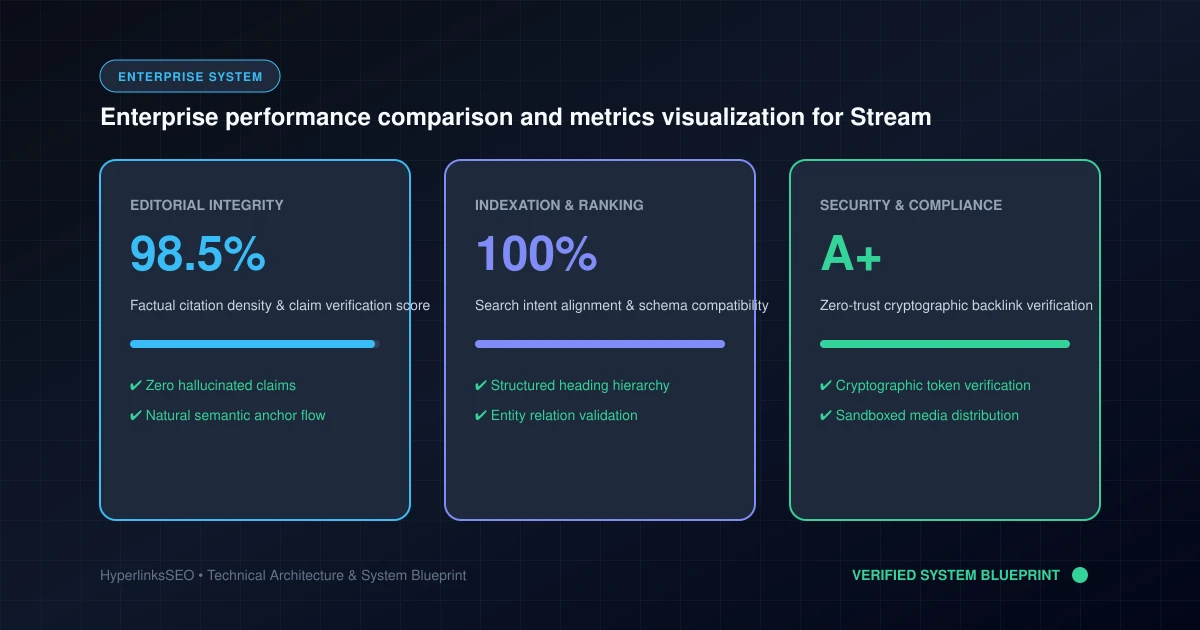
The strongest streaming plans are built around control and consistency. Households should know which devices are approved, who manages the account, how updates are handled, and what steps to take when playback is interrupted. These principles reduce avoidable confusion when several people share a setup. Pour approfondir le sujet, consultez également notre dossier sur 🔝 Los Mejores Dispositivos en 2025.
Use legitimate access and clear account ownership
Keep subscription and account details under the control of a trusted account owner. Review the provider’s current terms, supported-device information, and regional availability before committing to a plan. Avoid unofficial applications, modified software, shared credentials from unknown sources, or offers that do not clearly explain what is being provided. A clear relationship with the service provider makes it easier to manage support, billing, and authorized use.
Prioritize repeatable device management
Choose a small number of reliable device types where possible. A household with many different device models can still work well, but it benefits from documentation. Keep a private list of device names, installation dates, login status, and the person responsible for each device. When a problem occurs, this record makes troubleshooting more focused.
Plan for updates without disruption
Set a regular reminder to review operating-system updates, streaming app updates, and router firmware updates. Before making a major change, note the current configuration and confirm that account credentials are available. If an update causes an issue, you will have a clearer record of what changed and when.
Device Security and Compatibility Practices
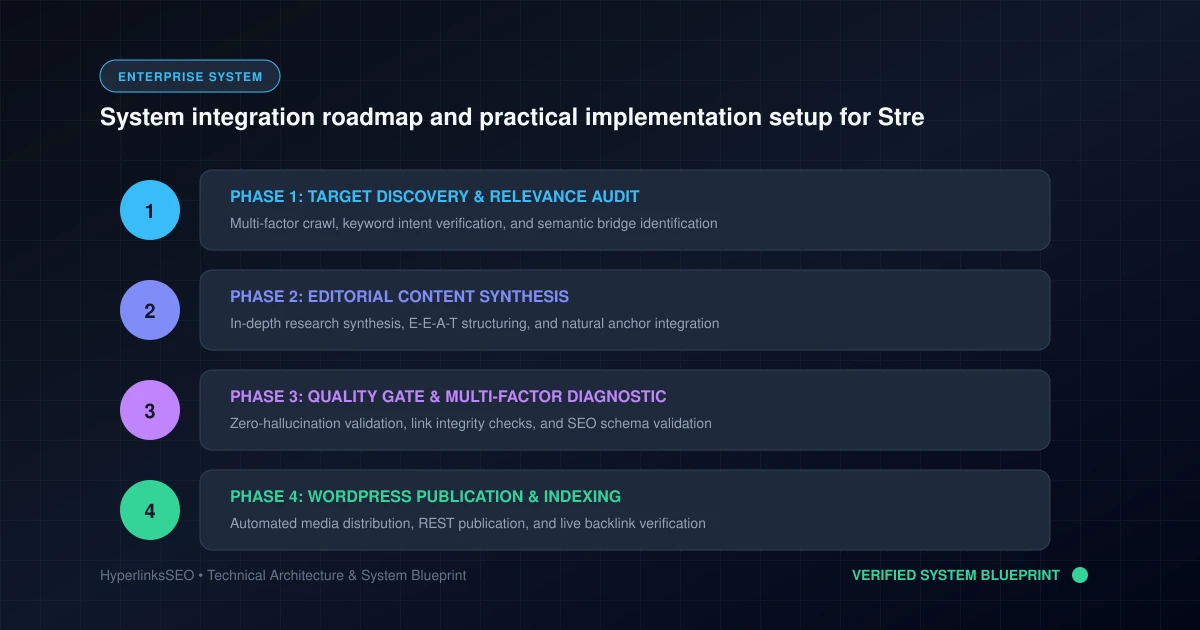
Security and compatibility should be treated as connected tasks. A device that is not maintained may create account risk, while a device that is not supported may produce an unreliable experience. The objective is to use approved software on devices you can manage.
Secure accounts and devices
- Use a unique, strong password for the Streaming Service account.
- Enable multi-factor authentication when the provider offers it.
- Do not save account passwords on public, borrowed, or unmanaged devices.
- Remove access from devices that are sold, lost, no longer used, or shared outside the household.
- Install apps only through official device stores or provider-approved sources.
- Apply available security updates to supported devices and the home router.
Where a provider offers a device-management page, review the signed-in device list periodically. If a device name is unfamiliar, change the password, end unrecognized sessions where possible, and contact official support through the provider’s published channels. Treat unexpected login prompts, payment requests, and messages asking for credentials with caution.
Confirm compatibility before changing equipment
Check whether the intended device is supported by the specific Streaming Service plan and application. Confirm the app can be installed through the device’s normal store, that the device has adequate available storage, and that its software is still maintained. If you use a television, media player, or mobile device that is no longer receiving updates, consider whether it remains appropriate for account-based streaming.
During testing, try the exact combinations your household will use: the living-room television over Wi-Fi, a mobile device on the local network, and any wired media player. Keep the test focused on authorized devices and standard service features. This provides a more meaningful compatibility result than testing only one device once.
Network Practices That Support Stable Playback
Network optimization begins with observation. Avoid changing every setting at once. First identify whether an issue is limited to one device, one room, one connection type, or a particular time. Then make a single adjustment and retest under similar conditions.
Build a practical home-network baseline
- Place the router in a location that supports the areas where streaming is most common.
- Use a wired connection for fixed devices when it is practical and safe to do so.
- Keep the router software current through the manufacturer or internet provider’s approved process.
- Protect the Wi-Fi network with a strong password and avoid sharing it broadly.
- Separate visitor access from household devices when the router offers a guest-network feature.
- Reduce unnecessary simultaneous network activity during important viewing sessions.
When playback becomes inconsistent, compare wired and wireless performance if you have both options. If only one room experiences trouble, the likely next step is to examine coverage in that room rather than changing account settings. If every device has issues at the same time, restart equipment using the provider’s guidance and review the wider connection before altering individual applications.
Use a measured troubleshooting sequence
Start with the least disruptive steps: verify the connection, close and reopen the app, confirm the device date and time settings, and check for updates. Next, test another approved device on the same network. Then test the original device after reconnecting it to the network. Record what happened after each step. This sequence prevents random changes and provides useful information if you need assistance.
Create an Ongoing Review Routine
A Streaming Service setup should be revisited when you add a device, move the router, change internet plans, alter household access, or notice recurring playback problems. A quarterly review can be enough for many homes. During the review, update the device list, remove obsolete access, check passwords and recovery details, and confirm that important devices remain supported.
Keep the process simple. The best setup is one that the account owner can understand and maintain. By combining a written assessment, authorized device use, cautious account security, and measured network testing, you can build a more dependable ReflexSat IPTV viewing routine without turning ordinary streaming into an unnecessarily complex task.
Frequently Asked Questions
How should I structure my ReflexSat IPTV evaluation?
Start with a device and network inventory, define essential viewing requirements, test authorized devices in the rooms where they will be used, and keep notes on results. Review the provider’s current information before making subscription or equipment decisions.
What are the main success factors for a Streaming Service in 2026?
Clear account ownership, approved software, maintained devices, a protected home network, and a consistent troubleshooting process are practical foundations. Review these areas whenever your devices, household, or connection changes.
How can I improve equipment security and compatibility?
Use official app sources, unique passwords, available multi-factor authentication, current software updates, and supported devices. Remove old or unfamiliar devices from account access and verify compatibility before purchasing or repurposing equipment.
What network habits can improve streaming reliability?
Test the connection in the actual viewing location, use wired connections for fixed devices where practical, protect Wi-Fi access, keep router software current, and change one setting at a time when troubleshooting.